 020 3744 3778
Container Gardening: Ideal for Balconies and Small Yards
Posted on 03/07/2025
Container Gardening: Ideal for Balconies and Small Yards
Container gardening has swiftly become a popular solution for urban dwellers and those with restricted outdoor spaces. Whether you have a cozy balcony, a petite patio, or a compact backyard, cultivating plants in containers opens up a world of possibilities. This comprehensive guide explores everything you need to know about container gardening for balconies and small yards--from plant selection and soil mixes to creative design ideas and maintenance tips.
What is Container Gardening?
Container gardening involves growing plants in pots, planters, or other portable vessels rather than rooted directly in the ground. This versatile approach allows for flexibility, mobility, and creative design in limited spaces. Container gardens can thrive virtually anywhere, whether it's a sunny windowsill, a tiny backyard nook, or a high-rise balcony.
Why Choose Container Gardening for Balconies and Small Yards?
Urban living and limited garden spaces don't have to mean sacrificing your love of plants and greenery. Below are some of the compelling reasons why container gardening is ideal for balconies and small yards:
- Maximizes Limited Space: Containers utilize vertical and horizontal spaces efficiently, making them perfect for crowded cities or small homes.
- Portable and Flexible: Easily rearrange your plants for optimal sun exposure or to refresh your outdoor design.
- Better Soil Control: Choose the right soil for each plant, encouraging healthier growth and easier pest management.
- Accessibility: Containers can be raised to a convenient height, making gardening more accessible for all ages and ability levels.
- Year-Round Gardening: Move plants indoors during cold weather or inclement conditions for year-round lushness, even in temperate climates.
Getting Started: Choosing the Right Containers
Selecting the proper vessel is the first step to a successful container garden. Consider the following factors:
Material Matters
- Terracotta: Classic and porous, but dries out quickly.
- Plastic: Lightweight and affordable, retains moisture well.
- Ceramic: Stylish with varied colors and finishes, but heavier.
- Metal: Modern look, can heat up in the sun--line with bubble wrap for insulation.
- Wood: Natural appearance, ensure it's treated to resist rot.
- Upcycled Options: Repurpose old buckets, crates, or even boots for an eco-friendly touch.
Consider Size and Drainage
Choose containers that provide enough space for root development and have adequate drainage holes to prevent waterlogging. Small pots are great for herbs, while larger planters suit shrubs or vegetable crops.
Best Plants for Container Gardening
One of the joys of container gardening is the vast assortment of plants you can enjoy. Here's a breakdown of options to suit your unique balcony or small yard.
Herbs and Edibles
- Basil, parsley, cilantro, and chives: Require minimal space and thrive in pots.
- Lettuce, spinach, and salad greens: Grow quickly and can be harvested young.
- Cherry tomatoes and peppers: Dwarf or patio varieties do exceptionally well in containers.
- Strawberries: Perfect for hanging baskets or stacked pot systems.
Flowering Plants
- Petunias, pansies, and marigolds: Provide bursts of color throughout the growing season.
- Geraniums: Hardy and vibrant, ideal for sunny spots.
- Begonias and impatiens: Flourish in shade or partial sun.
Compact Shrubs and Ornamentals
- Dwarf citrus trees: Add fragrance and beauty to balconies.
- Boxwoods and dwarf conifers: Offer structure and green interest year-round.
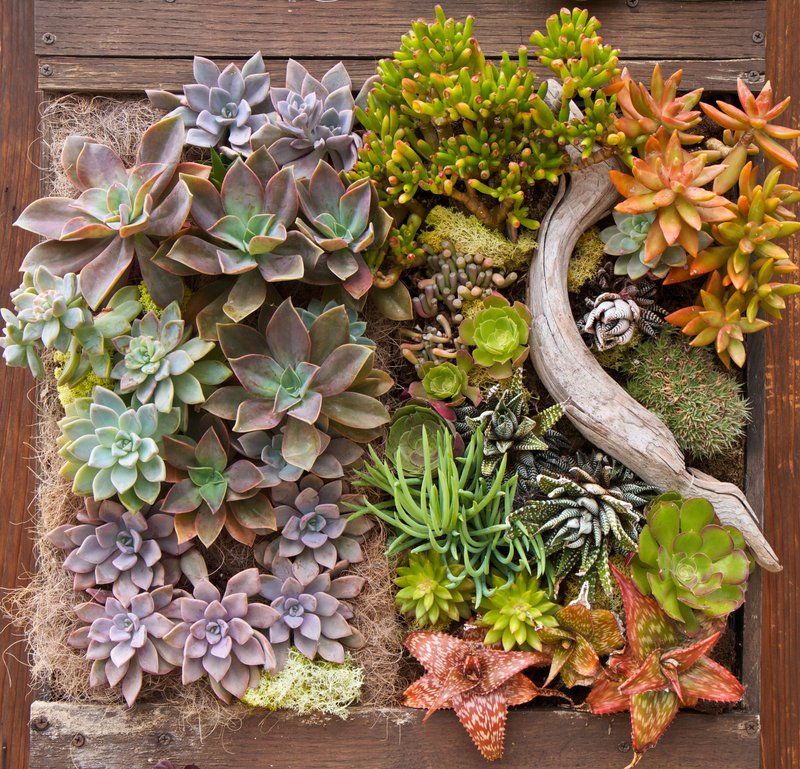
- Succulents and cacti: Low water requirements, perfect for south-facing balconies.
Soil Mixes for Healthy Container Plants
Proper soil is vital to the success of your container garden. Regular garden soil is often too dense and can impede drainage. Instead, opt for a high-quality potting mix or create your own blend:
- Potting Mix: Most commercial blends contain peat moss, vermiculite, and perlite, offering excellent aeration and moisture retention.
- Additions: Mix in a handful of compost for nutrients, or incorporate sand for better drainage, especially for succulents.
- Moisture Control: Consider adding moisture-retaining crystals for balconies exposed to direct sun.
Tip: Avoid using soil straight from your yard, as it can harbor pests and diseases and become compacted in containers.
Creative Container Gardening Design Ideas
Turn your balcony or small yard into a lush retreat with these container garden design tips:
Vertical Gardening
- Wall Planters and Pocket Gardens: Hang planters on fences, walls, or try fabric pocket systems for herbs and flowers.
- Trellises and Obelisks: Train peas, beans, or climbing flowers upwards to maximize vertical space.
- Stacked Pots: Create a tiered look with different-sized pots stacked on top of each other, perfect for strawberries or succulents.
Color and Texture Coordination
- Color Themes: Mix bold and subtle flower colors for visual interest, or stick with a monochromatic look for elegance.
- Leaf Texture: Pair broad-leafed plants with fine-textured ones for depth and dimension.
- Seasonal Rotation: Swap out annuals and bulbs to keep your container garden vibrant throughout the year.
Functional and Stylish Arrangements
- Edible Landscaping: Combine vegetables, herbs, and flowers for a practical yet beautiful container display.
- Statement Planters: Choose unique vessels or decorate pots with paint and mosaic for personalized charm.
- Mobile Gardens: Use rolling plant caddies to easily move heavy planters.
Container Garden Care: Essential Tips
Proper care is necessary to keep your container garden thriving in limited spaces. Here's how to maintain your mini-oasis:
Watering
- Check Daily: Containers dry out faster than ground soil, especially on balconies exposed to wind and sun.
- Water Deeply: Ensure water reaches the root zone. Excess water should drain freely through the bottom holes.
- Self-Watering Containers: Invest in containers with built-in reservoirs to reduce watering frequency.
Fertilization
- Slow-Release Fertilizers: Mix granules into the soil at planting for long-term nutrition.
- Liquid Feeds: Apply diluted liquid fertilizer every couple of weeks during the growing season.
- Compost Tea: A natural alternative that boosts plant health and vigor.
Pest and Disease Prevention
- Inspect Regularly: Look under leaves and along stems for common pests like aphids, spider mites, and whiteflies.
- Good Airflow: Don't overcrowd plants--space containers to allow air circulation, reducing disease risk.
- Organic Methods: Use insecticidal soap or neem oil as gentle, eco-friendly controls if necessary.
Maximizing Your Balcony or Small Yard with Containers
Here are some actionable tips to make the most of your container gardening space:
- Group Plants by Sun Exposure: Arrange sun-loving plants together and shade-tolerant ones in protected spots.
- Use Vertical Supports: Shelves, ladders, or hanging systems can multiply growing space without taking up floor area.
- Choose Compact and Dwarf Varieties: Many vegetables and ornamentals have compact options bred specifically for pots.
- Add Mulch: Spread a layer of pebbles or bark atop soil to retain moisture and suppress weeds.
- Incorporate Mobility: Place heavy pots on wheels for easy repositioning as seasons or light conditions change.
Common Challenges and Solutions in Container Gardening
- Problem: Soil dries out too fast.
Solution: Use larger pots, add mulch, or invest in self-watering systems. - Problem: Plants outgrow their containers.
Solution: Repot annually or prune roots and top growth to keep them compact. - Problem: Poor drainage.
Solution: Ensure containers have adequate drainage holes, and use a well-draining potting mix. - Problem: Pests and diseases.
Solution: Isolate infested plants, introduce beneficial insects, and use organic sprays as needed.
Year-Round Container Gardening: Seasonal Adjustments
One of the great strengths of container gardening is its adaptability. With thoughtful planning, you can enjoy plants every month of the year:
- Spring: Start cool-season vegetables and bulbs.
- Summer: Grow heat lovers like tomatoes, peppers, and annual flowers.
- Autumn: Transition to fall crops such as kale and pansies; add decorative gourds or mini-pumpkins.
- Winter: Protect containers with bubble wrap or burlap. Move tender plants indoors or to sheltered areas.
Sustainable and Eco-Friendly Container Gardens
Modern urban gardeners are increasingly prioritizing sustainability. Here's how you can make your balcony or small yard containers eco-friendly:
- Reuse and Upcycle: Transform old household items into unique planters.
- Mulch: Use organic mulch to conserve water and suppress weeds.
- Native Plants: Select species suited to your climate to reduce water and fertilizer use.
- Compost: Add homemade compost for a natural nutrient boost and reduce food waste.
- Rainwater Collection: Capture rainwater for irrigation, reducing your reliance on tap water.
Frequently Asked Questions about Container Gardening
-
Can I grow vegetables on a shaded balcony?
Yes! Choose leafy greens, herbs like mint and cilantro, and shade-tolerant flowers such as begonias for north- or east-facing balconies. -
How often should I water my container plants?
Watering depends on plant type, container size, sunlight, and weather. Check soil moisture daily during warm, dry spells. -
What are the best vegetables for container gardens?
Tomatoes, peppers, lettuce, radishes, and herbs are all excellent choices for pots and small spaces. -
How do I prevent root rot in containers?
Ensure proper drainage, use a suitable potting mix, and avoid overwatering.
Conclusion: The Endless Potential of Container Gardening
In conclusion, container gardening for balconies and small yards offers a flexible, practical, and *rewarding* way to enjoy plants, flowers, and homegrown edibles regardless of your available outdoor space. With a little creativity and regular care, even the smallest balcony can be transformed into a lush retreat. Whether you're starting with a single pot of basil or designing a bountiful vertical vegetable garden, the possibilities are endless. Embrace container gardening and bring vibrant life and beauty to your compact urban haven!
