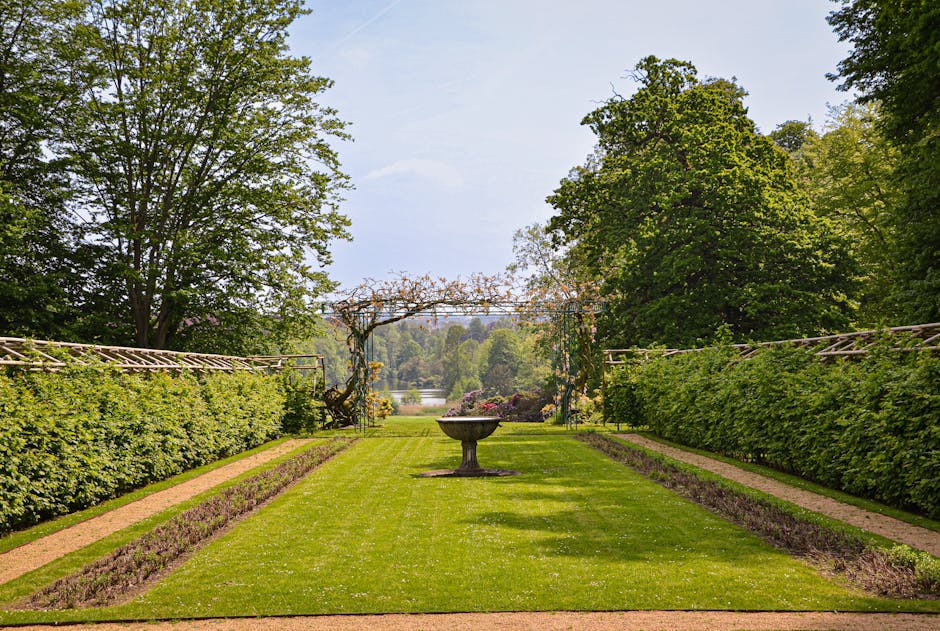
Pitshanger Park Gardeners Design Ideas for Small Lawns
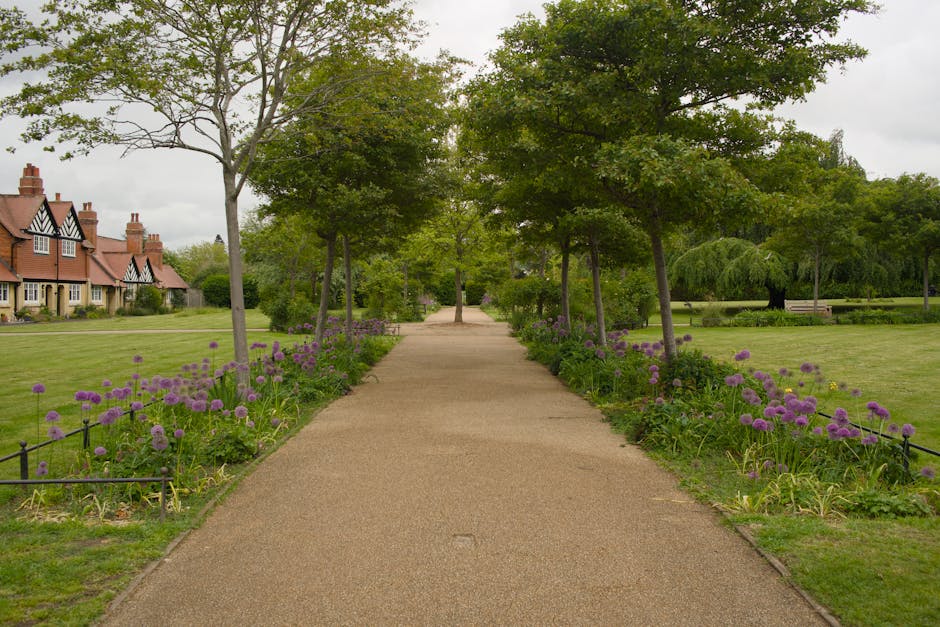
If you have a small lawn in Pitshanger Park, you already know the challenge: every square metre has to work harder than it would in a larger garden. The good news is that a compact lawn can look elegant, feel spacious, and be surprisingly easy to maintain when the design is thoughtful. Pitshanger Park Gardeners Design Ideas for Small Lawns are all about balance - keeping things open, useful, and visually calm without stripping away character.
In practice, that means choosing the right layout, using planting that suits limited space, and avoiding the common trap of packing too much in. A well-planned small lawn can become a place for morning coffee, a safe patch for children or pets, or simply a restful green view from the kitchen window. And yes, it can do all that without feeling cramped. Let's look at how to make it happen, step by step.
Why Pitshanger Park Gardeners Design Ideas for Small Lawns Matters
Small lawns are often misunderstood. People assume they need less planning because they are smaller. Truth be told, the opposite is usually true. A compact lawn magnifies every design decision: the shape of the borders, the height of nearby planting, the amount of shade, the surface texture, and even where you store tools or bins. One awkward feature can dominate the whole garden.
That is why local design ideas matter. In neighbourhoods like Pitshanger Park, gardens often have a mix of mature trees, boundary fencing, side returns, and family use. The space may be modest, but the expectations are not. You still want privacy, light, movement, and a bit of personality. A good small-lawn design solves those needs without turning the garden into a jumbled puzzle.
There is also a maintenance angle. Small lawns are usually easier to look after, but only if the layout supports simple care. If you have to squeeze around awkward edging, overgrown shrubs, and patchy access, the job becomes fiddly fast. That is where structured planning, sensible planting, and clean hard landscaping make a real difference. For larger jobs or a full refresh, many homeowners also look at landscaping support for West Ealing gardens to turn a small, tired plot into something much more workable.
Small gardens should not feel like a compromise. They should feel intentional. That is the whole point.
How Pitshanger Park Gardeners Design Ideas for Small Lawns Works
The basic principle is simple: use structure to make the garden feel bigger, and use planting to soften the edges without swallowing the lawn. In a small space, you are not trying to include everything. You are trying to include the right things.
A smart design usually starts with a clear purpose. Ask yourself what the lawn is really for. Is it a family play patch? A calm view from indoors? A seating area with enough greenery to feel relaxing? The answer changes the layout. For example, a family lawn may need a durable central area and robust edging, while a private retreat might work better with layered borders and a small seating nook at one end.
From there, the design usually follows a few core moves:
- Keep the lawn shape simple and readable.
- Reduce visual clutter near the edges.
- Use repeated plants or materials for calm and rhythm.
- Build height thoughtfully, rather than filling every gap on the ground.
- Choose features that serve more than one purpose, such as seating with storage or a narrow border that also improves drainage.
In our experience, the most successful small-lawns are the ones that feel "finished" even when they are not full. That means leaving breathing room. A tiny lawn surrounded by too many textures can feel busier than a larger, simpler one. A restrained palette often looks more expensive too, which is a pleasant side effect.
If the lawn is patchy, shaded, or hard to keep looking tidy, it may also be worth considering whether stronger lawn care is needed before any redesign. Regular attention through lawn care services and reliable lawn mowing can make a huge difference to the final result.
Key Benefits and Practical Advantages
A well-designed small lawn is not just prettier. It changes how the whole garden functions day to day.
- Better space efficiency: You get more usable garden from the same footprint.
- Easier upkeep: Clear layouts and suitable planting reduce time spent on constant tidying.
- Stronger visual impact: Even a modest lawn can look polished when the edges, planting, and paths are coordinated.
- Improved light flow: Thoughtful design helps avoid a cramped or shaded feeling.
- More versatility: The space can support children, pets, pot plants, or quiet seating without chaos.
Another less obvious benefit is seasonal resilience. A garden designed with sensible proportions, ground cover, and wind-aware planting is often more stable through wet spells and winter damage. If that sounds a bit dry, fair enough, but the payoff is real: less bare soil, fewer muddy corners, and a lawn that does not look defeated after every bit of bad weather. Articles like preparing your garden for potential weather turmoil and protecting plants through winter are useful reminders that good design is not only about summer looks.
Small lawns also tend to benefit from faster visual wins. You do not need a full redevelopment to see a big change. Sometimes a sharper border, better mowing edges, or a single well-placed screen can make the garden feel completely different by next weekend.
Who This Is For and When It Makes Sense
These design ideas are a good fit if you are dealing with any of the following:
- a narrow rear garden with limited depth
- a compact front lawn that needs curb appeal
- a small family garden where space has to do double duty
- a lawn with awkward shade or patchy growth
- a garden that feels cluttered, tired, or difficult to maintain
- a property where privacy matters but you do not want to block out all the light
It also makes sense if you are preparing to sell or let a property and want the outdoor area to look cared for. Small gardens can be a strong selling point, but only when they are neat and easy to understand at a glance. People usually notice whether a space feels usable within seconds. A tidy, simple lawn with a coherent border often feels more valuable than a fussy one packed with mismatched features.
And if you have been living with a neglected corner for years, this is not about blame. A lot of gardens quietly drift into disorder because life gets busy. One broken edging strip, a hedge that grew a bit too far, and suddenly the whole thing feels like a project you keep meaning to start. That is normal. Starting small is still starting.
Step-by-Step Guidance
Here is a practical way to approach a small-lawn redesign without getting overwhelmed.
-
Measure the space properly.
Do not rely on memory or rough guesses. Draw a simple sketch and note the dimensions, the position of shade, drainage issues, doors, paths, and any fixed features. Even a quick hand-drawn plan is better than winging it.
-
Decide on the main function.
Pick one primary use first. A lawn for children needs durability. A lawn for relaxation may need symmetry and seating. A lawn for pets benefits from robust edging and easy-clean surfaces nearby.
-
Choose the simplest possible shape.
Curves can look lovely, but in a tiny garden they need handling carefully. Straight lines often make small spaces feel calmer and easier to manage. When in doubt, keep the lawn shape readable from the house.
-
Build the borders before adding extras.
Good edges make a small lawn look deliberate. Raised borders, slim planting beds, or a narrow run of ground cover can give structure without eating too much space. If weeds are already an issue, address them early with help from practical weed management tips.
-
Layer height at the perimeter.
Use low planting near the lawn and slightly taller planting behind it. This creates depth without making the centre feel boxed in. Tall plants should usually go where they frame the view, not where they block it.
-
Add one focal point only.
A pot, bench, small tree, sculpture, or textured screening panel is enough. More than one focal point in a small garden often becomes noise.
-
Protect the lawn's finish.
Sharp mowing edges and regular care matter more in small gardens because the eye notices every detail. A tidy cut can change the whole tone. If you want ongoing help, garden maintenance can keep the design looking intentional rather than half-finished.
One small but useful rule: if a feature does not solve a problem or improve the feel of the garden, leave it out. That is the discipline that usually separates a pleasant compact lawn from a cramped one.
Expert Tips for Better Results
These are the things that often make the difference between "nice enough" and "really works in real life".
- Use repetition. Repeating a plant, pot shape, or paving finish helps a small garden feel calm. Three similar containers often look better than seven random ones.
- Keep the lawn proportion sensible. A tiny lawn with oversized borders can feel pinched. A border that is too thin can feel like an afterthought. Balance matters.
- Let one material do more work. For example, a timber edge might define the lawn, frame a seating area, and tie in with fencing. Less clutter, more consistency.
- Think in layers, not in objects. A few well-chosen layers - ground cover, mid-height planting, and a light screen - usually outperform a pile of separate features.
- Plan for maintenance from day one. A beautiful planting scheme that needs constant rescue is not a win. In a small garden, low-maintenance choices often look more refined anyway.
If the garden is windy or exposed, that needs to shape the design too. Compact lawns can look great, but only when surrounding plants and structures are stable enough to handle weather properly. Useful reading on this includes wind handling in green spaces and evergreen climbers for shade, especially if you are trying to create height without bulk.
Also, do not forget the practical side of access. If you cannot easily mow, edge, prune, or water the garden, the design will fight you every week. That gets old very quickly, to be fair.
Common Mistakes to Avoid
Small lawns are unforgiving of clutter and poor proportion. Here are the mistakes we see most often.
- Overplanting the borders. Dense planting can make the lawn look smaller and harder to maintain.
- Using too many materials. Brick, gravel, timber, stone, metal, and coloured pots all at once usually feels busy.
- Ignoring shade. A plant that looks fine in a sunny border may sulk badly in a shaded pitshanger plot.
- Leaving awkward corners unresolved. Tiny leftover spaces often become weed traps or storage dumps.
- Choosing high-maintenance features for a low-space garden. A small garden does not mean a small workload if the design is demanding.
- Making the lawn too complicated. Fussy curves, stepped edges, and multiple mini-zones can fragment the space.
A common one is the "just one more thing" problem. One more pot, one more shrub, one more decorative feature. Before long the garden looks like it is waiting for a tidy-up that never quite arrives. It happens. The cure is restraint, not more stuff.
If your borders are already overgrown, start by cutting back the worst offenders and clearing the structure before you redesign around it. Sometimes the best design move is simply getting back to a blanker canvas.
Tools, Resources and Recommendations
You do not need a huge toolkit to improve a small lawn, but the right basics make the work easier and the results cleaner.
- Measuring tape and garden plan sketch: essential for proportion and layout.
- Sharp edging tool: gives the lawn a crisp outline and immediately improves presentation.
- Reliable mower: especially important where you want a neat finish and even cut.
- Hand fork, trowel, and secateurs: useful for border tidying and plant management.
- Quality mulch or soil improver: helps borders retain moisture and improves planting conditions.
- Containers and trays: good for testing colour and seasonal interest before committing to permanent planting.
For new gardeners, a strong starting point is often a simple, manageable scheme rather than an ambitious one. The article necessary equipment for outdoor gardening success is a useful reminder that good tools save time and reduce frustration. If you are still finding your feet, tips for new gardeners can help you stay organised without overcomplicating everything.
If your outdoor area includes a patio or hardstanding adjacent to the lawn, clean surfaces matter too. A small lawn can look lovely and still feel unfinished if the surrounding paving is grimy. That is where patio cleaning can quietly lift the whole garden.
Law, Compliance, Standards, or Best Practice
For most small domestic gardens, there is usually no complex legal framework attached to the design itself. Even so, good practice matters. If you are altering boundaries, installing fencing, or working near shared edges, it is sensible to check what belongs to you and what may be shared. With trees, hedges, and boundary planting, neighbour awareness is just good manners and good risk management.
It is also wise to use safe working habits when cutting, lifting, or using powered equipment. That means clear footing, sensible gloves, eye protection when needed, and not rushing messy jobs at dusk because you want to "just get it done". We have all been there. The garden can wait five more minutes.
For tree-related concerns, especially where shade, root spread, or overhanging branches affect a small lawn, professional input may be helpful. A space can sometimes be transformed simply by addressing canopy density and light. If you need that kind of help, tree surgery support may be the practical first move. For boundary definition, fencing services can also improve privacy and frame the design without crowding the planting.
Best practice, in plain English, means designing for long-term usability, not just first-week appeal. If a feature looks lovely but makes maintenance awkward, it is probably not the right feature.
Options, Methods, or Comparison Table
Different small-lawn designs suit different priorities. Here is a simple comparison to help you decide what fits your space.
| Approach | Best For | Strengths | Trade-Offs |
|---|---|---|---|
| Minimal lawn with clean borders | Small, tidy, low-maintenance spaces | Looks spacious, easy to care for, neat year-round | Can feel plain if planting is too limited |
| Layered planting with central lawn | Gardens that need softness and colour | Creates depth and seasonal interest | Needs more upkeep if plant choices are not restrained |
| Mixed lawn and seating zone | Entertaining, family use, everyday relaxation | Flexible and practical, especially for small gatherings | Requires careful proportion so the garden does not feel divided |
| Screened lawn with privacy planting | Overlooked or exposed plots | Improves privacy and comfort | Must be planned carefully to avoid shade and crowding |
For many Pitshanger Park gardens, the sweet spot is a blend of minimal lawn and one or two well-chosen support features. For example, a simple grass panel, a slim planting border, and one discreet seating area can feel far more successful than a garden divided into four mini-concepts. If you are looking for inspiration on making seating feel natural rather than bolted on, dreamy garden seating areas is worth a look.
Case Study or Real-World Example
Imagine a modest rear garden in Pitshanger Park: a rectangular lawn, a shaded corner near the fence, and a patio that has seen better days. Nothing dramatic, just a space that feels a bit tired and awkward. The owners want somewhere that looks good from inside, works for an occasional child's football game, and does not demand a full weekend every week.
The redesign starts by simplifying the edges. The lawn stays central, but the border on one side is widened slightly to give room for low planting and a neat visual frame. The shadiest corner is turned into a smaller feature area with hardy ground cover and a slim bench. The patio is cleaned, the boundaries are sharpened, and two matching containers add height without clutter.
The result is not flashy. That is the point. The garden feels calmer, larger, and more deliberate. The lawn becomes the visual anchor instead of one item among many. Maintenance drops because there are fewer awkward gaps, and the owners stop feeling like they need to "sort the garden out" every time they look at it through the back window. Small change, big psychological lift.
If that sounds familiar, you are not alone. A lot of small gardens improve most when somebody stops adding and starts editing.
Practical Checklist
Use this before you redesign or refresh a small lawn:
- Have you measured the space accurately?
- Do you know the lawn's main job: play, display, relaxation, or all three?
- Are the edges clean and easy to maintain?
- Have you limited the number of materials and colours?
- Is there at least one clear focal point?
- Have you checked how much sun, shade, and wind the space gets?
- Are the plants suitable for the light and soil conditions?
- Will you be able to mow, edge, and water the garden without hassle?
- Have you left enough open space for the lawn to breathe?
- Does the design still feel good if one border plant grows larger than expected?
If you can answer yes to most of those, you are already ahead of the game. Honestly, that is where good garden design starts - not with expensive features, but with a clear head and a workable plan.
Get a free quote today and see how much you can save.
Conclusion
Pitshanger Park Gardeners Design Ideas for Small Lawns are really about making compact spaces feel generous. Not bigger in square footage, obviously, but bigger in experience. More usable. More relaxing. Easier to keep tidy. More like a garden you enjoy every day rather than a task you keep meaning to tackle.
The strongest small-lawns usually share a few traits: simple structure, controlled planting, sensible maintenance, and one clear idea running through the whole design. When those pieces come together, the space stops feeling limited and starts feeling intentional. That shift is subtle at first, then suddenly obvious every time you step outside or glance out of the window.
So if your small lawn has been waiting for attention, this is your sign to give it some. Start with the shape, sort the edges, choose a few planting layers, and keep the overall look calm. The garden does not need to be huge to feel good. It just needs to make sense.
And once it does, you will notice. Every single day.
Frequently Asked Questions
What are the best design ideas for a small lawn in Pitshanger Park?
The best ideas usually focus on simplicity: a clean lawn shape, neat edging, layered but restrained planting, and one focal point such as a bench or specimen plant. That keeps the garden open and easy to maintain.
How do I make a small lawn look bigger?
Use clear lines, reduce clutter, repeat a few materials or plants, and keep borders controlled. Light-coloured hard landscaping and tidy edges can also help the space feel wider.
Should I keep grass in a very small garden?
Often yes, if you want a soft, open feel and some usable green space. But the lawn should be proportionate. If maintenance is a struggle, a smaller lawn with better borders may be the smarter choice.
What plants work well around a small lawn?
Low-maintenance, compact plants are usually best, especially those that do not spread too aggressively. Ground cover, evergreen structure, and a few seasonal accents often work better than dense mixed planting.
How much maintenance does a small lawn need?
Usually less than a larger one, but it still benefits from regular mowing, edging, feeding when appropriate, and keeping borders under control. Small lawns look best when the finish is crisp.
Can a small lawn still have seating space?
Yes, absolutely. The trick is to make seating part of the overall layout rather than forcing it in. A compact bench, a tiny bistro set, or a tucked-away corner can work well if proportioned carefully.
What is the biggest mistake people make with small garden design?
Overcrowding. Too many plants, materials, and features can make the garden feel smaller and harder to use. In small spaces, editing is often more powerful than adding.
Do I need professional help for a small lawn redesign?
Not always, but professional help can be useful if the space has drainage issues, heavy shade, overgrown boundaries, or awkward layout problems. A tidy redesign often starts with solving those practical issues.
How do I deal with shade in a small Pitshanger Park garden?
Choose plants suited to the light levels, avoid crowding, and consider whether tree work or pruning could improve daylight. Sometimes even a small increase in light changes the feel of the space dramatically.
What if my small lawn gets muddy in winter?
That usually means the layout, drainage, or usage pattern needs attention. Reducing traffic on wet areas, improving soil conditions, and adding structure around the edges can help.
Is patio space better than lawn in a small garden?
It depends on how you use the garden. Patios are practical and low-maintenance, while lawns create softness and a more natural feel. Many of the best small gardens use a mix of both.
How do I keep a small lawn low maintenance without making it boring?
Stick to a simple structure, use a few well-chosen plants, and focus on strong edge definition. Low maintenance does not have to mean plain. It just means every element earns its place.